Enclosed Terrarium

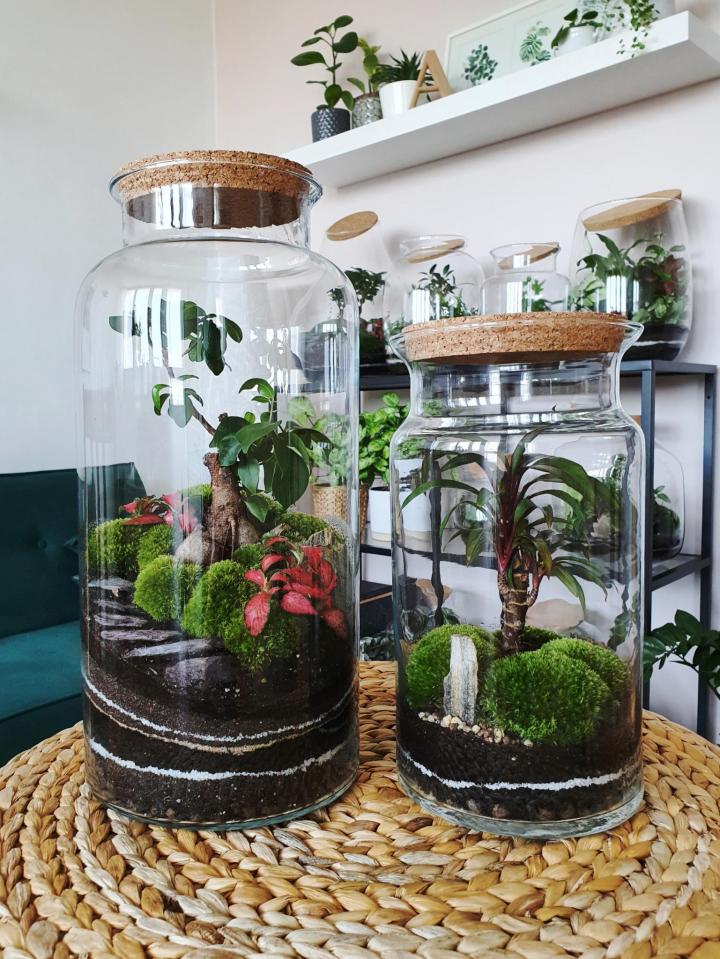
Enclosed terrarium
In theory, a perfectly balanced closed terrarium – under the right conditions – should continue to thrive indefinitely. The longest-known terrarium lasted on its own for 53 years. They may even outlast us!
How do you make an enclosed terrarium?
Now that I showed you the different types of Closed Terrariums, it's time to learn how to build one by following the 7 easy steps here below.
- gather all the required material.
- place drainage rocks.
- place activated charcoal.
- place your plants in the container.
- add soil.
- add decorative rocks.
- water.
What is a closed terrarium called?
A self-sustaining terrarium is essentially a finely balanced plant ecosystem sealed within a closed container. That means the plants, environmental conditions, microfauna inhabitants, and even the container itself, must all be carefully considered so that they can work in harmony together.
Are Closed terrariums possible?
Closed terrariums — if given perfect conditions — can thrive on their own forever. Planted and sealed inside closed vessels, the added soil, plants, and water produce their own little ecosystem, recycling the water, moisture, and humidity inside their glass worlds.
Do closed terrariums get moldy?
#3 Air it out – Mold thrives on moisture, opening up a closed terrarium, and increasing airflow will reduce both the humidity and the total level of water in the container.
Do terrariums get moldy?
High humidity levels make perfect conditions for molds and fungi to establish, especially if terrariums are overcrowded.
Do closed terrariums need air holes?
Do terrariums need air? Yes, but plants in airtight, or closed terrariums, recycle air. During the day, sunlight promotes the growth of sugars during the process of photosynthesis. Photosynthesis converts carbon dioxide into oxygen, releasing it into the terrarium.
Do closed terrariums smell?
It should smell pretty fresh like a nice garden. But if you smell something rotten, that's a telltale sign that something's rotting or dying in there. Don't worry too much if you start to notice this. That's a natural part of their life cycle and will happen to any terrarium no matter how well they are cared for.
Do closed terrariums need bugs?
Love them or hate them, insects and bugs can make a valuable addition to a terrarium ecosystem. Of course, that's provided you get the right ones. Some can help keep your terrarium clean, rich in nutrients, and free of pests.
Why do terrariums fail?
Too much water will cause your terrariums to grow mouldy – which is a definite no-no! Generally, a terrarium is kept indoors with no direct sunlight. A terrarium is kept away from heat sources as too much heat might cause the plants in your terrarium to wilt and eventually leading to its death.
Do closed terrariums need charcoal?
A terrarium can and will function without a charcoal layer.
How often do you open a closed terrarium?
Direct sunlight on a closed terrarium can burn your plants. Open the terrarium at least once a month for roughly 20 minutes to allow for some air circulation.
How often should you water an enclosed terrarium?
In general, for terrariums with a normal, loose-fitting glass lid, it most likely will need to be watered a small amount every 3 months. For a terrarium with a cork, rubber, or tight glass enclosure, it can stay closed without needing any water at all.
Why is my closed terrarium foggy?
Water is condensing due to the difference in temperature between the inside and outside of your terrarium. If your cold house is cooling the temperature of the glass, when warm terrarium air hits the cold surface it reaches its dew point and condenses.
What are common mistakes made when building a terrarium?
5 common terrarium mistakes to avoid
- TOO MUCH LIGHT. We'll admit a terrarium does look gorgeous when placed on a window sill.
- TOO LITTLE LIGHT. ...
- TOO MUCH WATER. ...
- TOO CLOSE TO HEAT SOURCES. ...
- CHOOSING THE WRONG PLANTS FOR THE TYPE OF TERRARIUM YOU HAVE.
Are terrariums high maintenance?
Terrariums are fairly low maintenance and the plants growing inside them will largely look after themselves. Closed jars will create their own ecosystem and even become self-watering.
What are the disadvantages of terrarium?
Disadvantages of closed terrariums:
- It requires regular ventilation, otherwise condensation builds up on the glass.
- The drainage layer may become full of water and gases from material decomposition.
- Double bottom drainage layer is often required for absorbing unwanted water and for providing substrate with oxygen.
How do you keep a closed terrarium alive?
Closed terrariums require high amounts of light, so keep them in a bright spot but out of direct sunlight as this could cause the contents to overheat. Similarly, keep your terrarium away from radiators or other heat sources that could cause overheating.
What are the layers of a closed terrarium?
A terrarium basically has 4 main layers. They are, in order from the ground up, the gravel, moss, soil and decorative layer.
Do terrariums need rocks at the bottom?
Terrarium containers do not have drainage holes, so it is important to create drainage layers to prevent plant roots from rotting. Start by putting a 2-inch layer of coarse gravel, sea glass, or beach stones on the bottom of your container.
14 Enclosed terrarium Images
How to Make an Ecosystem in a Bottle With Fish Plants Sciencing

Small enclosed terrarium Terrarium Small Decor

One month update on my enclosed terrarium We have life Terrarium

Plant Terrarium and Enclosed Wardian Case Terrarium Beautiful

Pin by Janie Hardy Grissom on FAIRY Enclosed terrariums Container

Unique Closed Glass Terrarium Ideas for Plant TerrariumIdeasDecor

Succulent terrarium Diy succulent terrarium Aquarium garden

Pin by Donna Wright on Stained glass projects Asparagus fern Stained

26 Terrariums Beautiful Enclosed Gardens You can Build at Home

Terrariums Easy Care Live Plants in Little LandscapesEasily Made

Create your fairy garden with a terrarium Fairy garden Terrarium for
How to Keep Your Aloe vera Beautiful Trillium Living Aloe vera

Wet terrarium Inside plants decor Inside plants Plant decor

Posting Komentar untuk "Enclosed Terrarium "